Wired Noise-Cancelling Gaming Earphones for FPS Focus
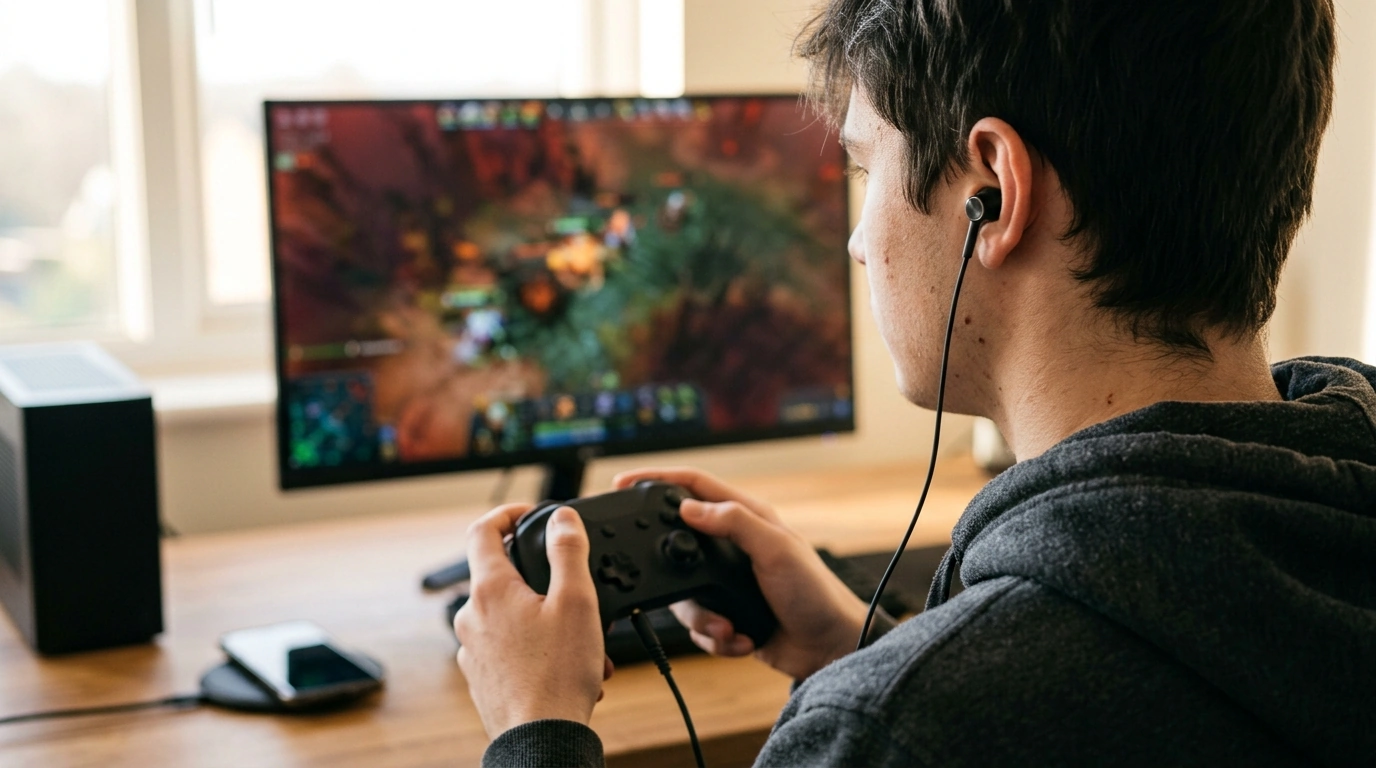
Wired Noise Cancelling Gaming Earphones: Clear Audio, Stable Connection, and Focused Play
Wired gaming earphones with noise reduction are a practical choice for competitive sessions and daily play: instant plug-and-play, no battery anxiety, and consistent latency. A well-chosen pair helps block distractions, keeps footsteps and reload cues crisp, and stays comfortable when matches run long—whether you’re on PC, a console controller, or a phone. For more guidance, see Gaming Headsets | Headphone Reviews and Discussion.
What Matters Most for Wired Gaming Earphones
Passive isolation vs. active noise cancelling
Most “noise reduction” benefits in wired in-ear gaming come from the ear tip seal. A snug fit can cut down a surprising amount of room noise. Active noise cancelling (ANC) can further reduce steady sounds (like a fan or engine hum), but it may also introduce faint processing artifacts that some players find distracting during quieter moments. For further reading, see The 6 Best Gaming Headsets of 2026.
Stable, low-latency audio
Wired audio is the straightforward route to consistent timing—no wireless codec compression and no Bluetooth delay. That can matter when you’re reacting to tiny cues like a quick step on metal or a zipper pull during a flank.
Footstep and positional cues
For locating opponents, tuning matters more than sheer volume. Controlled bass helps prevent explosions and music from masking footfalls, while clear mids/treble improve separation so movement direction is easier to place.
Mic quality and placement
If your earphones include a mic, prioritize stable voice pickup and reduced plosives. Inline mics are convenient, but they can pick up cable rub (microphonics) if the cord brushes a hoodie or zipper.
Comfort for long sessions
Lightweight housings, multiple ear tip sizes, and a low-pressure fit reduce fatigue. If the seal breaks when you talk or turn your head, noise creeps in and you’ll be tempted to raise the volume.
Cable durability
Look for strain relief near the plug and earpieces, plus a tangle-resistant cable. An L-shaped plug is especially helpful for handheld play, where a straight connector can get bumped more often.
Wired Noise Cancelling Gaming Earphones (Product Overview)
Wired Noise Cancelling Gaming Earphones are built for focused play with a wired connection that delivers dependable audio and minimal delay. Noise reduction is primarily supported by the in-ear design and fit—tip size and insertion depth can make a noticeable difference in how much outside sound fades away.
Because they’re compact, they’re easy to move between a desk setup, a console controller, and a phone. For best results, match your device to the right connection (3.5 mm vs. USB-C adapter) and route the cable securely to reduce clothing rub that can mask quiet in-game details.
Comfort and Fit: Getting Real Noise Reduction
Start with ear tips (seal first, then sound)
Use the largest tip that seals comfortably. A proper seal improves bass response and blocks outside noise without needing to crank the volume—often the difference between “muddy” audio and clean positional cues.
Check insertion depth
A shallow fit tends to leak sound and reduces isolation. A slightly deeper, stable fit can tighten imaging and make directionality easier to read during chaotic fights.
Reduce microphonics (cable noise)
Quick session comfort checklist
Sound Cues in Games: How to Tune the Experience
Tame bass so it doesn’t hide information
Add clarity carefully
Competitive FPS priorities
Keep volume moderate
Turning up volume to compensate for a poor seal increases fatigue and can reduce focus over time. For practical listening safety guidance, see WHO safe listening and CDC advice on loudness.
Compatibility and Setup (PC, Console, Mobile)
| Platform | Connection | Common Need | Tip |
|---|---|---|---|
| PlayStation/Xbox controller | 3.5 mm | Mic support depends on TRRS | Test voice chat in console audio settings |
| Gaming laptop/handheld | 3.5 mm | Usually plug-and-play | Use a secure cable route to avoid snagging |
| Desktop PC | 3.5 mm | May need splitter for mic | Check if front panel supports headset combo jack |
| USB-C phone/tablet | USB-C | May need adapter/DAC | Use a quality USB-C adapter for stable volume |
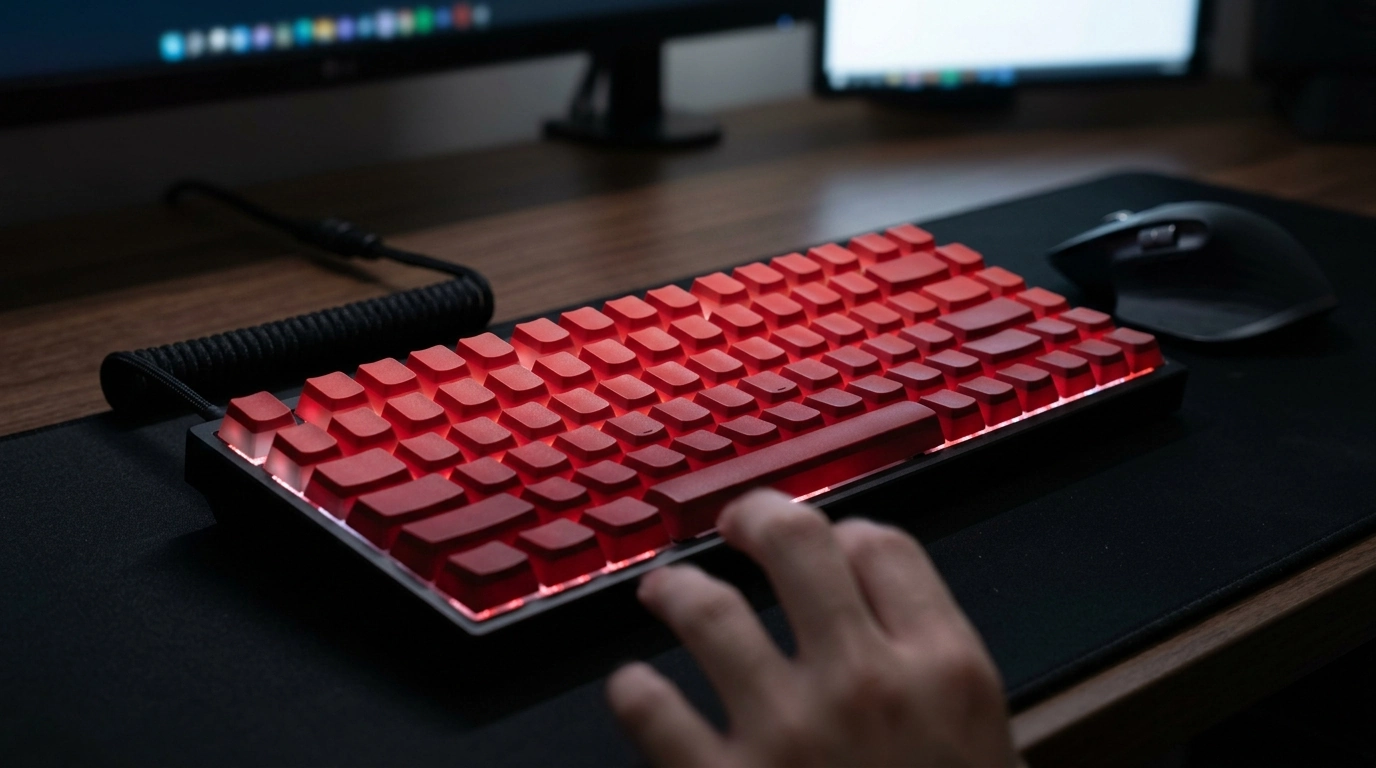
If you’re gaming on a USB-C phone or tablet while charging, a right-angle cable can help keep your setup tidy and reduce strain on the port. Consider the 90 Degree USB Type C Cable 3A 60W Fast Charger for a cleaner handheld grip. For PC desk setups, upgrading the feel of your peripherals can also improve long-session comfort; the Red Gradient Side-Printed Shine Through Keycaps Cherry Profile PBT are a simple way to refresh a keyboard’s look and visibility.
Care, Durability, and Everyday Use
Store the cable the right way
Clean tips to keep the seal
Practice strain-relief habits
When Wired Earphones Make More Sense Than Wireless
FAQ
Do wired gaming earphones reduce background noise without active noise cancelling?
Yes—most of the reduction comes from passive isolation created by the ear tip seal. Fit is critical: a better seal blocks more noise and improves bass and clarity. ANC helps most with steady sounds like fans, but it’s less consistent with voices or sudden noises.
Will these work for voice chat on console and PC?
They can, as long as the plug and port support mic input (typically a TRRS headset jack). Console controllers with a 3.5 mm headset port usually work, while desktop PCs may require a headset splitter for separate mic and headphone jacks. Always confirm the correct input/output device is selected in system settings and your game or chat app.
How can cable noise be reduced while playing?
Route the cable behind your neck or wear it over-ear if possible, and use a shirt clip to prevent bouncing. Keep the cord away from zippers and rough fabrics, and consider lowering mic sensitivity if friction is being picked up during callouts.




Leave a comment